2004
3
Table of Contents
Subscribe
Download pdf

Video Spotlights

The quality of the video depends on the speed of your connection to the Internet. The length of each video is given in minutes and seconds (mm:ss). We appreciate your comments about each of the videos.

Youtube icon

You can also watch these videos on Maryland Sea Grant's YouTube Channel.


Ken Paynter hands off an underwater video camera to diver Tim Koles

Down on the Oyster Reefs [2:55]
video | transcript | comments

A biologist dives into his work. Ken Paynter on the damage from heavy fishing and devastating disease epidemics.

Dr. Don Meritt, HPL Oyster Hatchery

Rebuilding the Bay's Reefs [1:48]
video | transcript | comments

At the Horn Point Environmental Lab, Don Meritt turns out seed oysters full of oyster spat, and Charlie Frentz of the Oyster Recovery Partnership plants them in Chesapeake Bay.

Chad Ballard Jr., Cherrystone Aqua Farms, Inc.

A Chinese Oyster for the Chesapeake? [5:24]
video | comments

Seafood growers and packers are calling for replanting the Chesapeake with oysters from China. But scientists have formed cautious and sometimes conflicting opinions about the promise and perils of planting non-natives. Can Crassotrea ariakensis revive the tidewater seafood economy? Can it create ecological benefits for the ecosystem? Here in their own words are an oyster packer, an oyster grower and two oyster scientists.

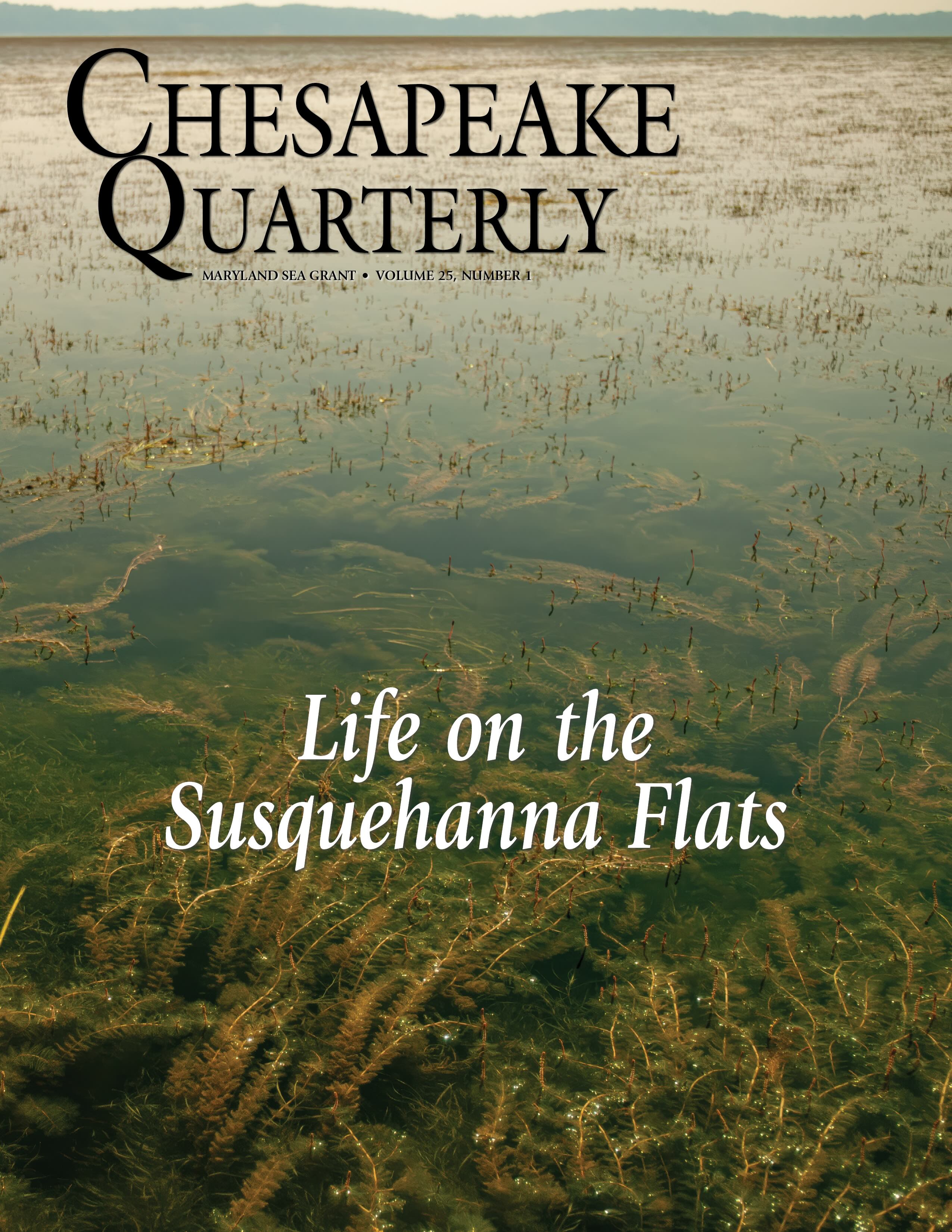
Chesapeake Quarterly : Volume 25 Number 1 : Life on the Susquehanna Flats

Life on the Susquehanna Flats

June 2026 • Volume 25 Number 1

The Shallows That Shape the Chesapeake

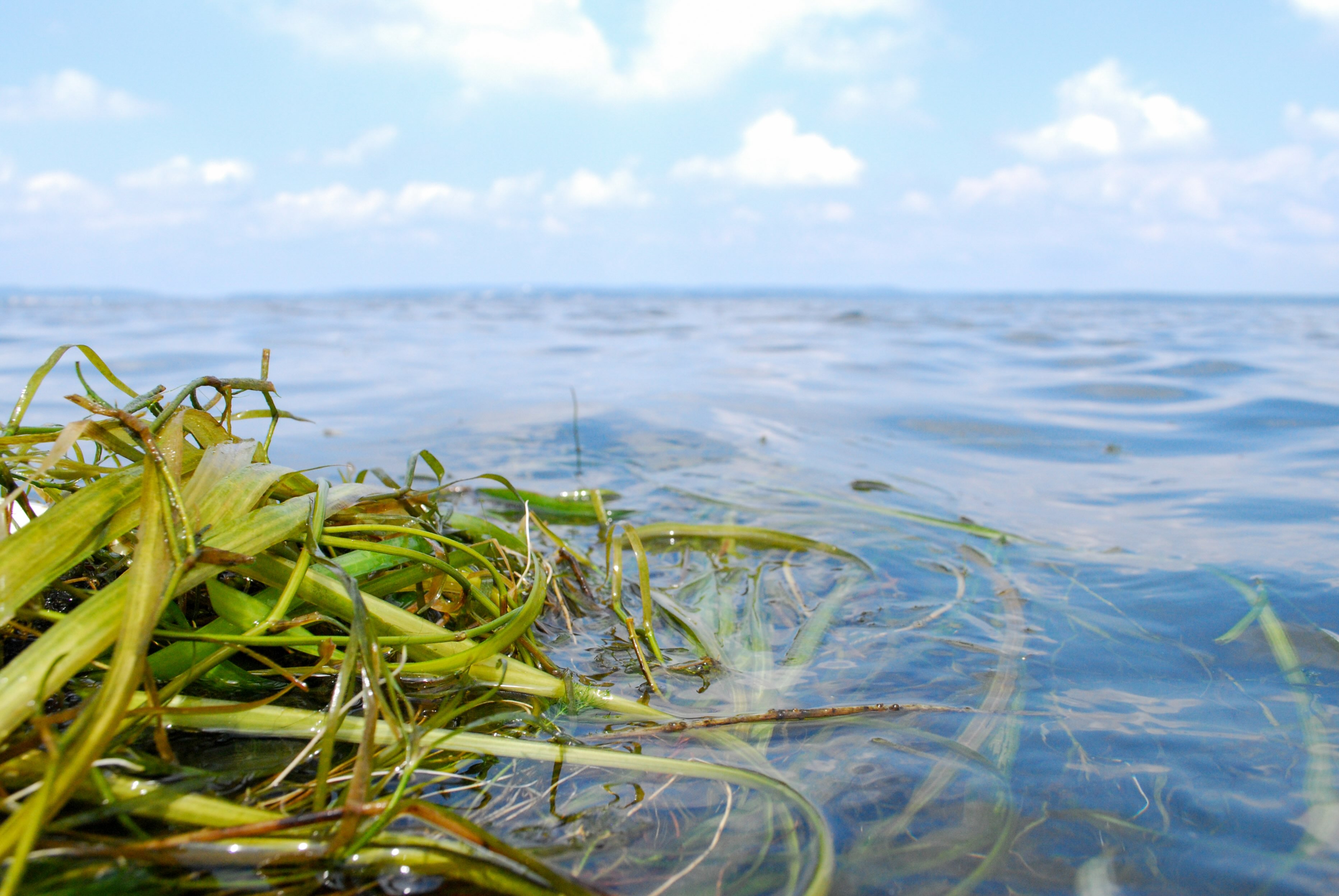
The Susquehanna Flats are one of the Chesapeake’s most remarkable places. Home to the Bay’s largest expanse of submerged grasses, this vital habitat supports wildlife, water quality, and generations of waterfowl hunters. But when Tropical Storm Agnes swept through the watershed in the 1970s, the grass bed virtually disappeared. This story traces decades of loss and recovery on the Susquehanna Flats and their enduring value to the people and wildlife of the region.
The Dam Question

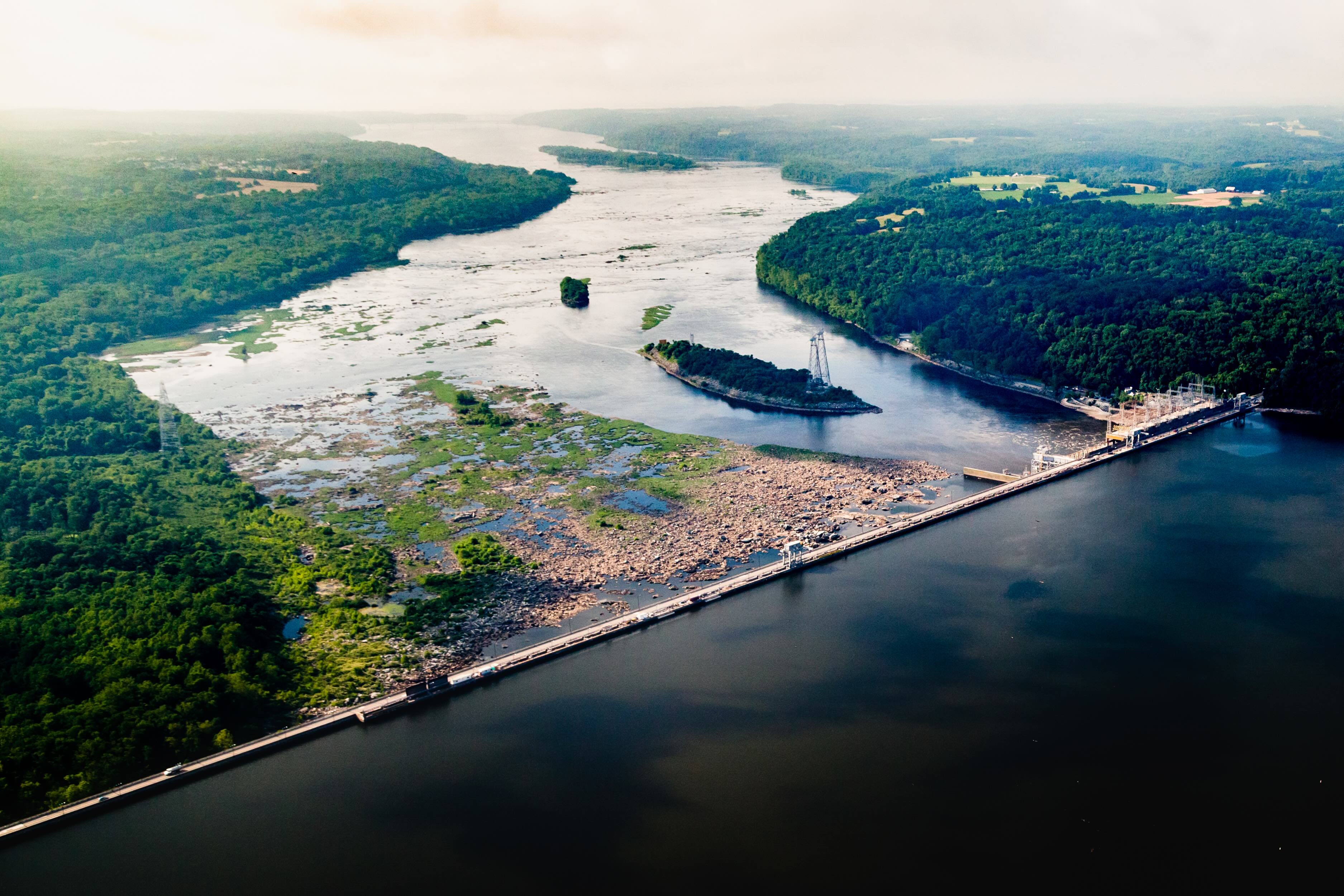
The Conowingo Dam lies 10 miles up the Susquehanna River from the Chesapeake Bay. Behind the dam, a 9,000-acre reservoir has been steadily filling with sediments, which flow over the dam and into the Bay during heavy storms and floods.  Researchers are studying the dam’s impact on the Chesapeake Bay, as well as the role of the Susquehanna Flats in filtering these flows.


Ribbons of Silver, Nets of Blue

Until the mid-1900s, fishermen in the Susquehanna Flats area hauled in immense catches of native river herring, shad, and striped bass. Today, the commercial harvest is dominated by an invasive species, the blue catfish. Explore the storied history of commercial fisheries in the upper Bay.


Fishing the Flats

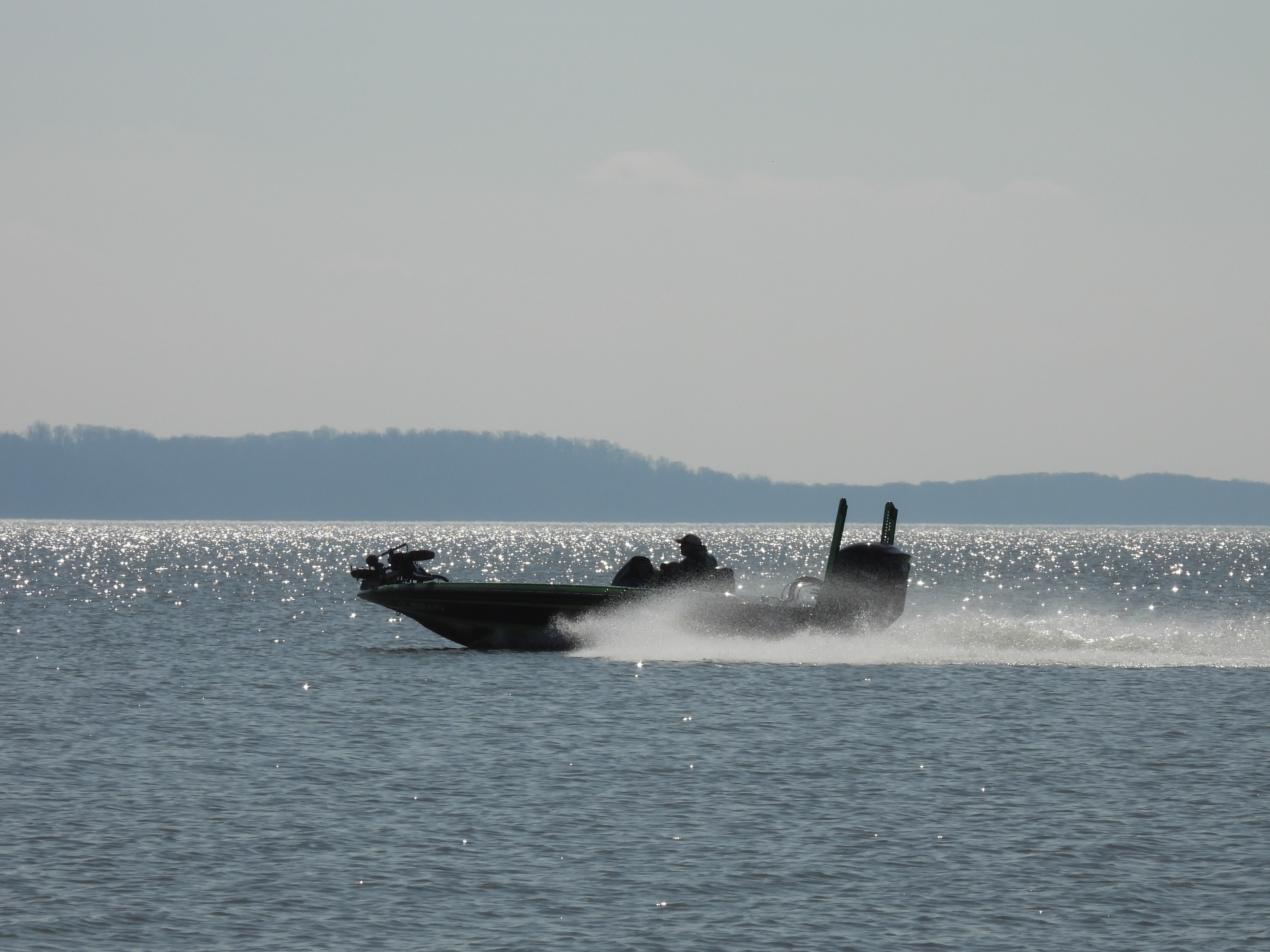
Fishing enthusiasts flock to the Susquehanna Flats to pursue a range of species from striped bass to snakehead. The Flats play host to year-round fishing and hundreds of tournaments. “It’s about more than catching fish,” says one angler.

 
Cover photo by Dave Harp

In This Issue

Related Links

Maryland Sea Grant
[Maryland Sea Grant] Maryland Sea Grant NOAA
Stay Connected
 
Chesapeake Quarterly is published by Maryland Sea Grant | Privacy Policy | © 2026 Maryland Sea Grant