2004
3
Table of Contents
Subscribe
Download pdf

Video Spotlights

The quality of the video depends on the speed of your connection to the Internet. The length of each video is given in minutes and seconds (mm:ss). We appreciate your comments about each of the videos.

Youtube icon

You can also watch these videos on Maryland Sea Grant's YouTube Channel.


ScanFish lowered into the Bay

New Tools for the Oceanographer, New Discoveries for the Bay [6:41]
video | comments

Oceanographer Bill Boicourt uses the Scanfish, an underwater flying wing, to document a new discovery in Chesapeake Bay: a Hydraulic Control Zone just north of the Rappahannock Shoals. Like a valve on a water faucet, the Hydraulic Control can regulate the flow of salty ocean water into the northern Bay. As the Scanfish glides up and down through the Bay, it can take tens of thousands of readings per hour, measuring salinity, chlorophyll, dissolved oxygen and plankton.

Brush awarded the Mathias Medal

Finding Gold at the Bottom of the Bay [6:11]
video | comments

A pioneer in estuarine paleoecology, Grace Brush has been charting the history of environmental change in the Chesapeake watershed. Her technique: dig up cores from the bottom of the Bay's rivers, marshes and mainstem. Her hypothesis: the sediment holds a history of ancient and recent events that altered the estuary. On May 6, 2004, Grace Brush became the first woman to be awarded the Mathias Medal for research that has a significant impact on public policy.

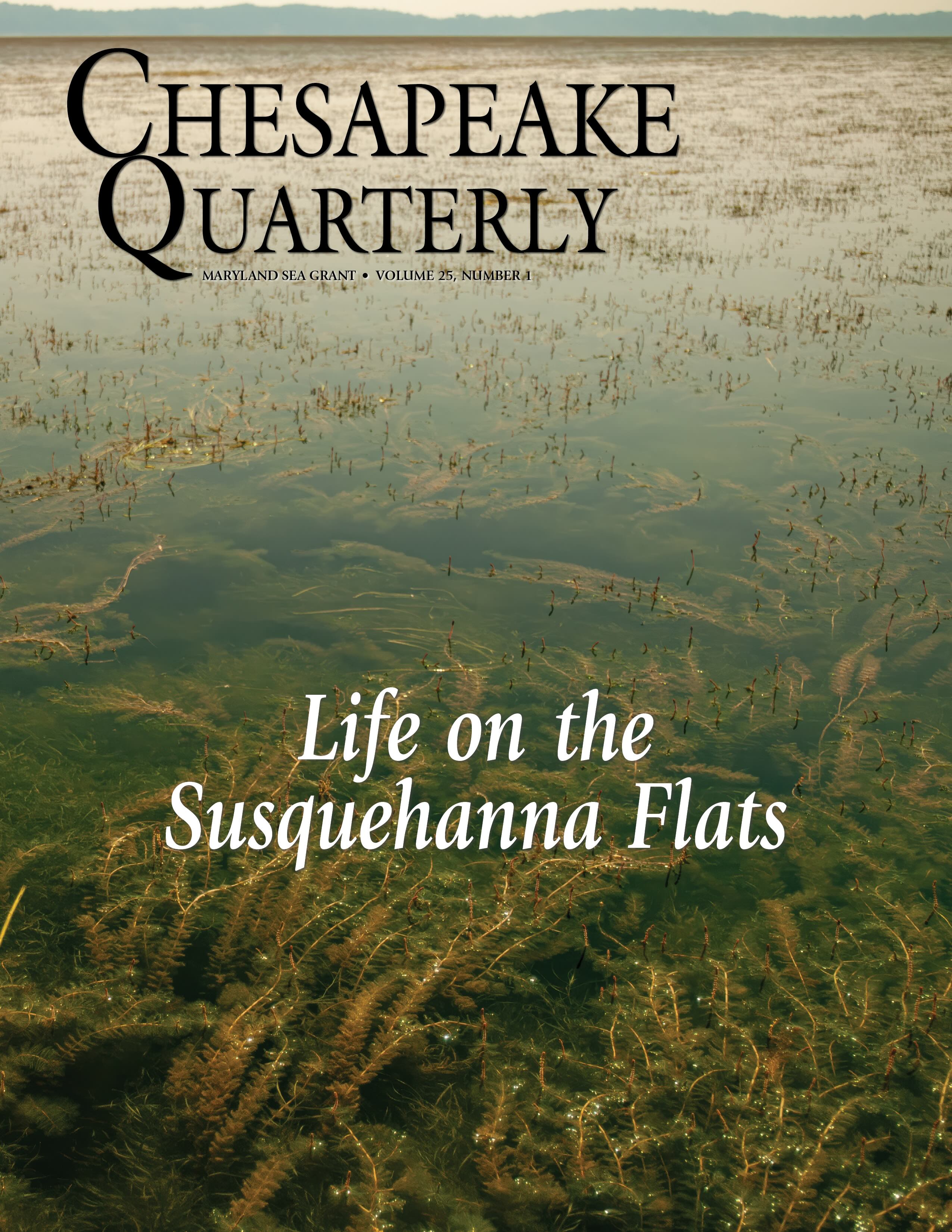
Chesapeake Quarterly : Volume 25 Number 1 : Life on the Susquehanna Flats

Life on the Susquehanna Flats

June 2026 • Volume 25 Number 1

The Shallows That Shape the Chesapeake

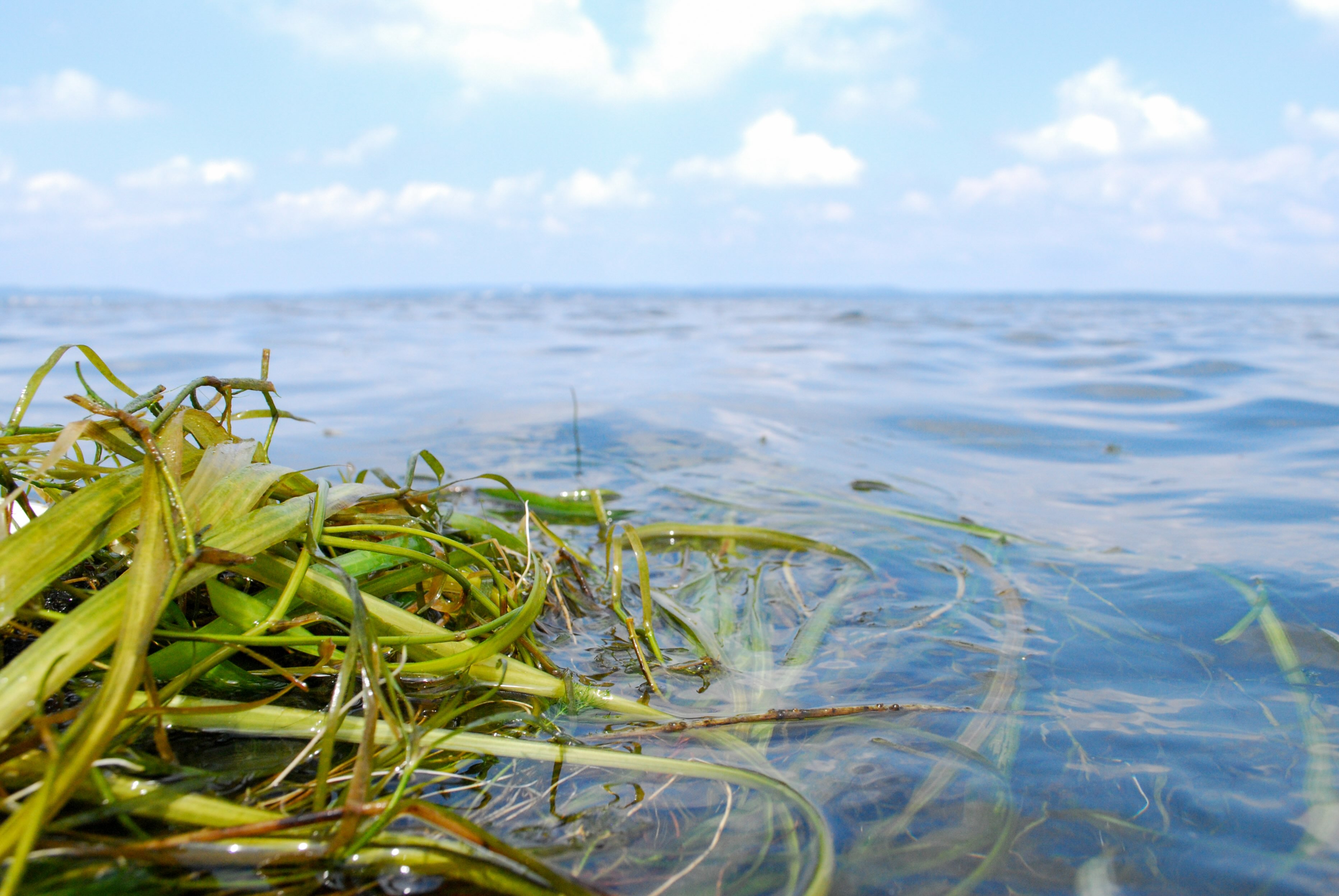
The Susquehanna Flats are one of the Chesapeake’s most remarkable places. Home to the Bay’s largest expanse of submerged grasses, this vital habitat supports wildlife, water quality, and generations of waterfowl hunters. But when Tropical Storm Agnes swept through the watershed in the 1970s, the grass bed virtually disappeared. This story traces decades of loss and recovery on the Susquehanna Flats and their enduring value to the people and wildlife of the region.
The Dam Question

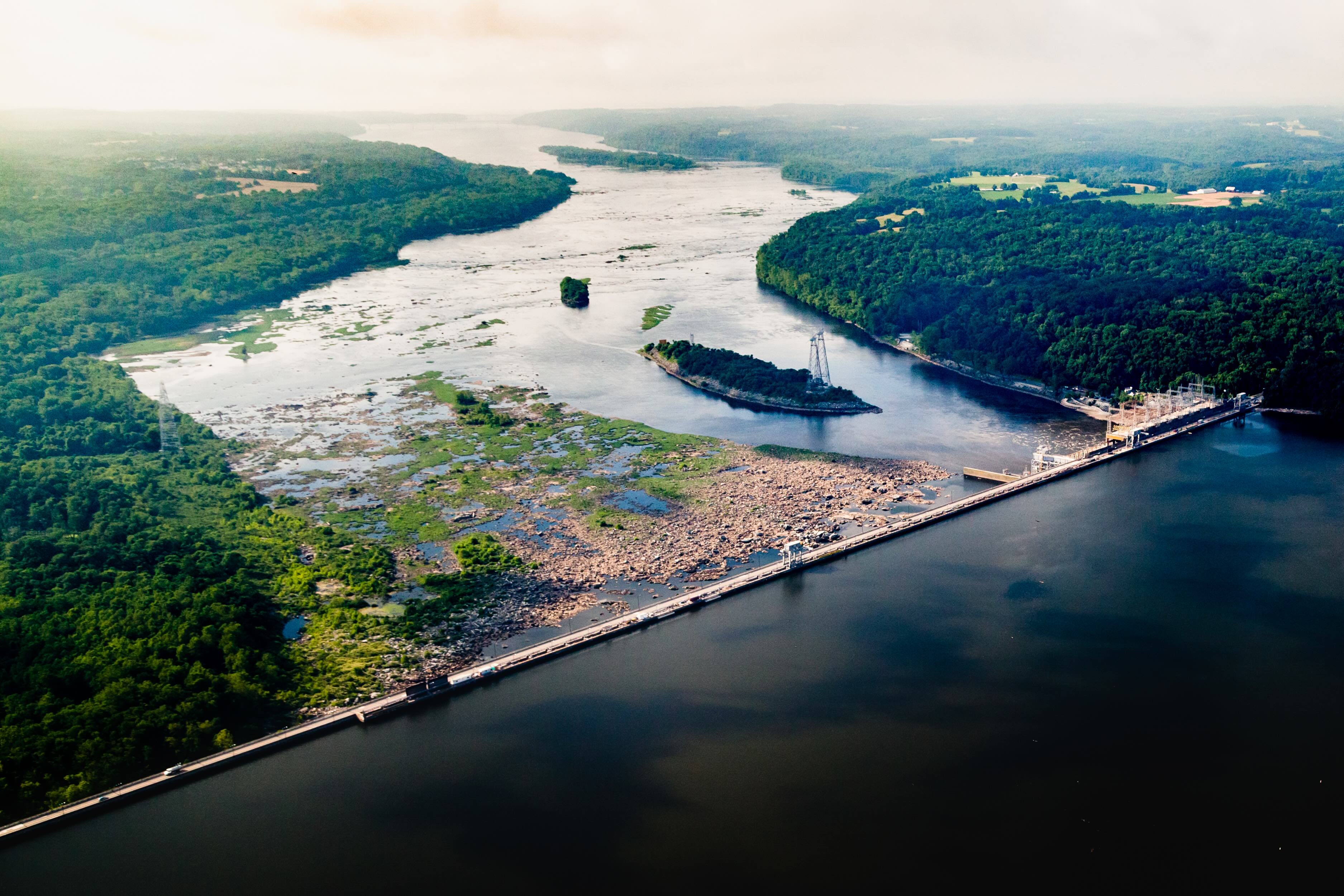
The Conowingo Dam lies 10 miles up the Susquehanna River from the Chesapeake Bay. Behind the dam, a 9,000-acre reservoir has been steadily filling with sediments, which flow over the dam and into the Bay during heavy storms and floods.  Researchers are studying the dam’s impact on the Chesapeake Bay, as well as the role of the Susquehanna Flats in filtering these flows.


Ribbons of Silver, Nets of Blue

Until the mid-1900s, fishermen in the Susquehanna Flats area hauled in immense catches of native river herring, shad, and striped bass. Today, the commercial harvest is dominated by an invasive species, the blue catfish. Explore the storied history of commercial fisheries in the upper Bay.


Fishing the Flats

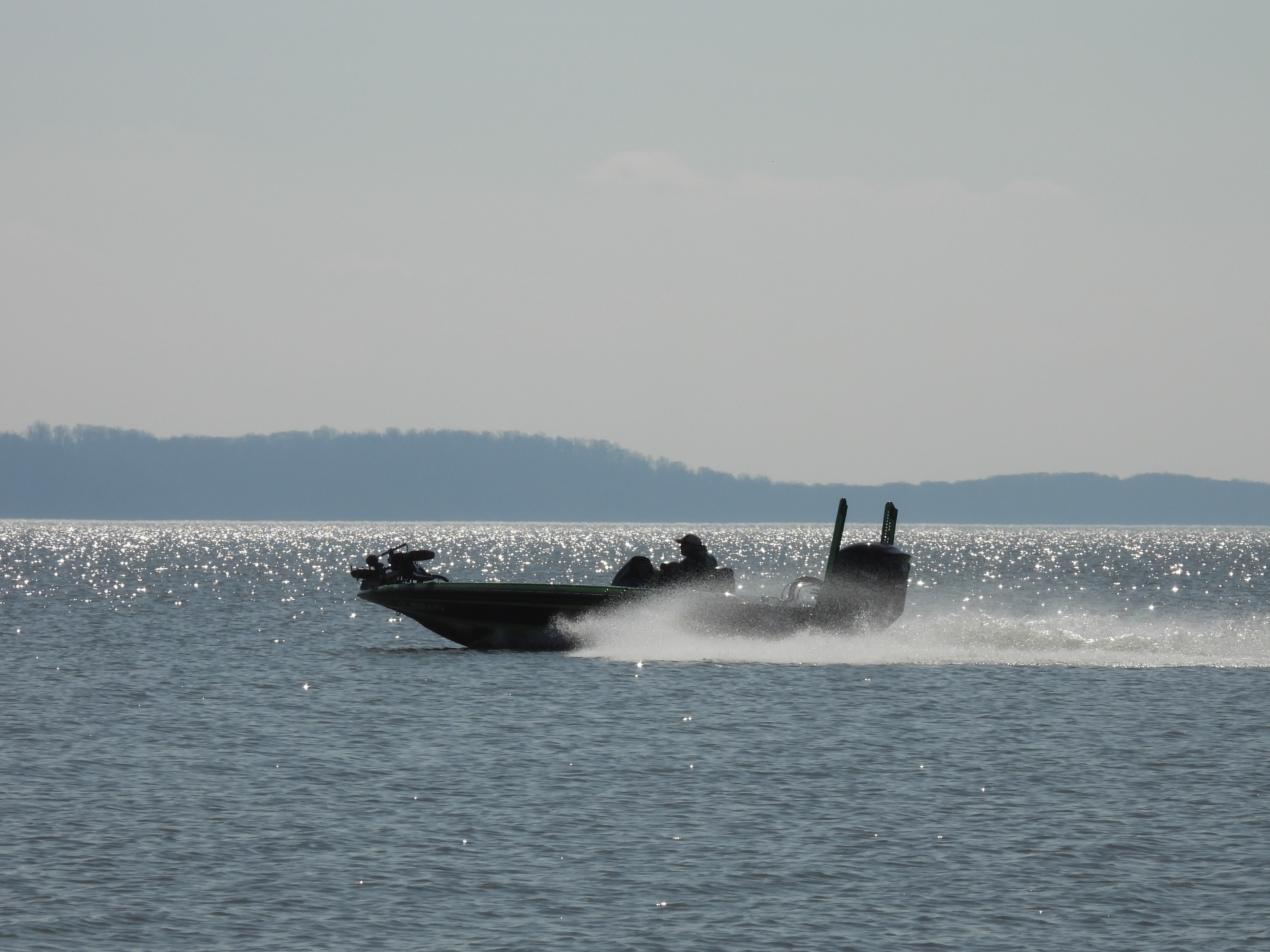
Fishing enthusiasts flock to the Susquehanna Flats to pursue a range of species from striped bass to snakehead. The Flats play host to year-round fishing and hundreds of tournaments. “It’s about more than catching fish,” says one angler.

 
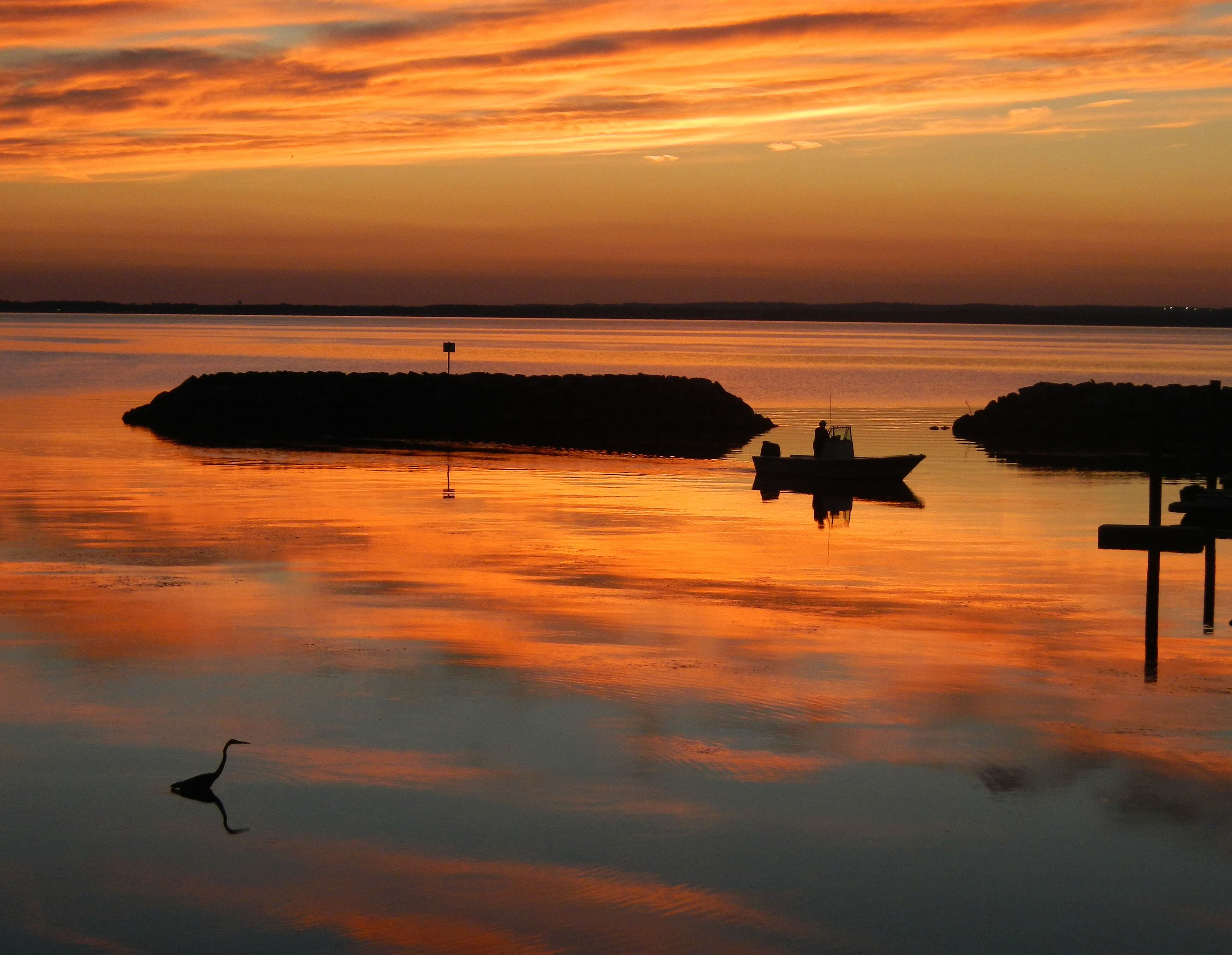
Cover photo by Dave Harp

In This Issue

Related Links

Maryland Sea Grant
[Maryland Sea Grant] Maryland Sea Grant NOAA
Stay Connected
 
Chesapeake Quarterly is published by Maryland Sea Grant | Privacy Policy | © 2026 Maryland Sea Grant