2007
6
Table of Contents
Subscribe
Download pdf

Video Spotlights


Skipjack on the Bay

A Century of Skipjacks [0:59]
video | transcript | comments

Since the 1890s watermen have been dredging oysters under sail on skipjacks - "two-sail bateaux" that were first built in dozens of small boatyards along the Eastern Shore of Maryland and Virginia.

Art Daniels

The Boat Coming Alive [0:46]
video | transcript | comments

The oldest oyster captain, Art Daniels Jr., remembers his first boyhood sail on his father's skipjack.

Skipjack harvesting oysters

The Art of Oystering [2:12]
video | transcript | comments

Dredging oysters under sail with Captain Art Daniels Jr. of Deal Island, Maryland.

Art Daniels

A Waterman and His Boat [0:37]
video | transcript | comments

"As long as you don't get afraid and stick with the boat, she'll stand by you." (Art Daniels, Jr.)

The skipjack City of Crisfield on its side at the dock

A Skipjack Goes Down [0:40]
video | transcript | comments

The day Captain Daniels found his skipjack, City of Crisfield, drowned at the dock in Cambridge harbor.

The skipjack City of Crisfield in dry dock

And Rises Again [2:04]
video | transcript | comments

Sail rigger Rich Schofield and boat builder Mike Vlahovich go to work rebuilding the City of Crisfield.

Getting ready to launch the repaired skipjack City of Crisfield

A (Re)Launch Party [3:02]
video | transcript | comments

A skipjack goes down to the bay again - the first success in an ambitious project at the Chesapeake Bay Maritime Museum to restore the last working sail fleet in the country.

Chesapeake Quarterly : Volume 25 Number 1 : Life on the Susquehanna Flats

Life on the Susquehanna Flats

June 2026 • Volume 25 Number 1

The Shallows That Shape the Chesapeake

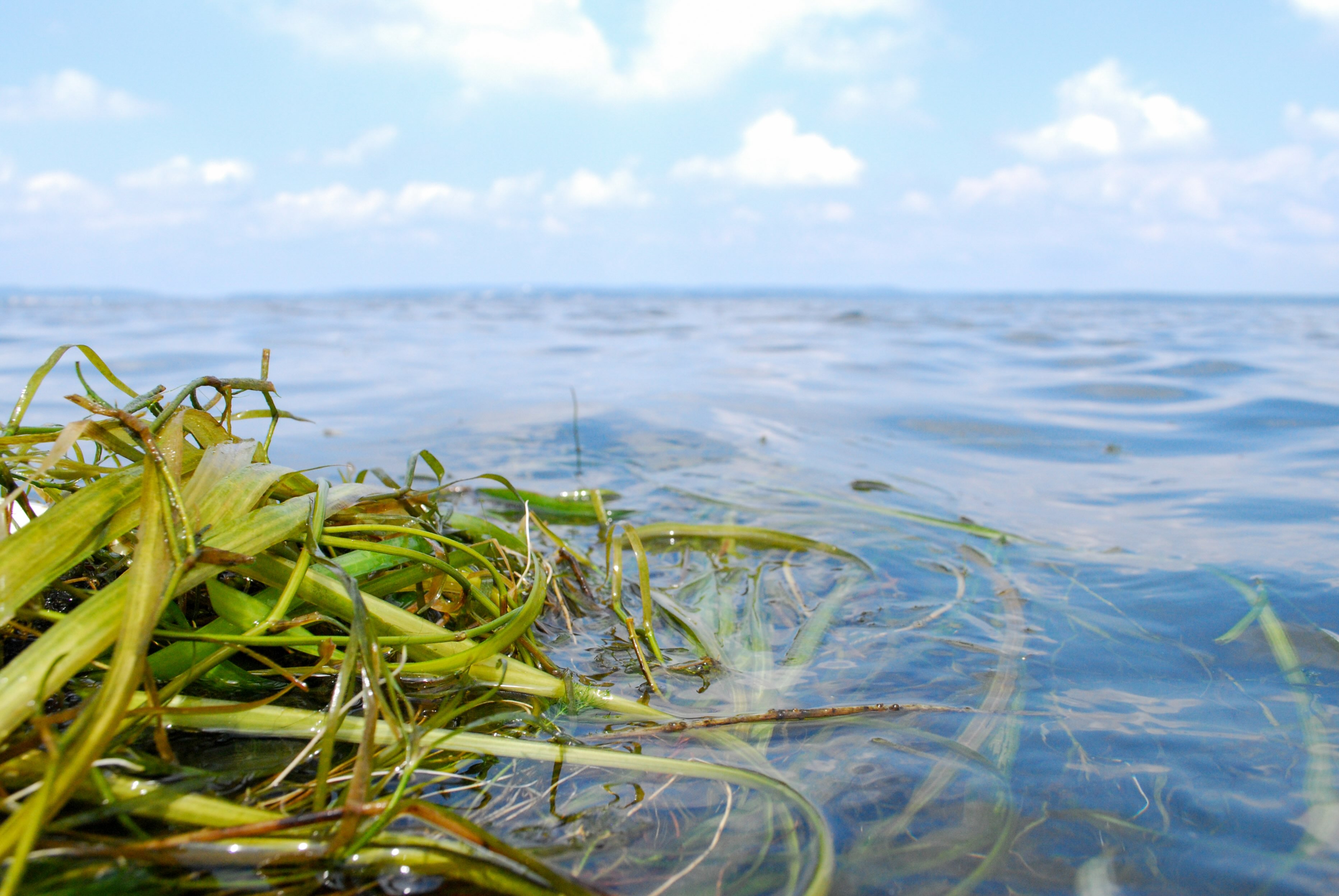
The Susquehanna Flats are one of the Chesapeake’s most remarkable places. Home to the Bay’s largest expanse of submerged grasses, this vital habitat supports wildlife, water quality, and generations of waterfowl hunters. But when Tropical Storm Agnes swept through the watershed in the 1970s, the grass bed virtually disappeared. This story traces decades of loss and recovery on the Susquehanna Flats and their enduring value to the people and wildlife of the region.
The Dam Question

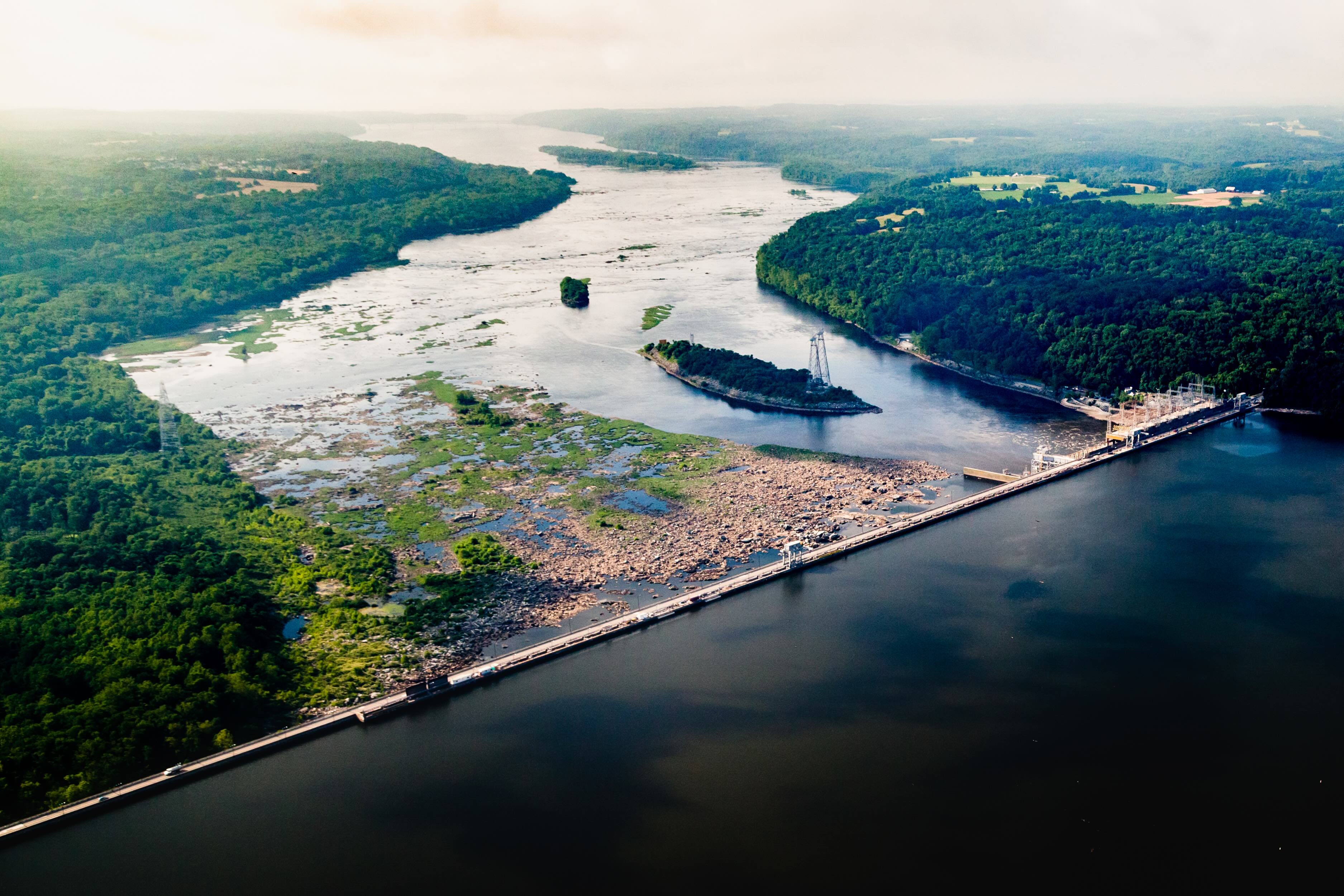
The Conowingo Dam lies 10 miles up the Susquehanna River from the Chesapeake Bay. Behind the dam, a 9,000-acre reservoir has been steadily filling with sediments, which flow over the dam and into the Bay during heavy storms and floods.  Researchers are studying the dam’s impact on the Chesapeake Bay, as well as the role of the Susquehanna Flats in filtering these flows.


Ribbons of Silver, Nets of Blue

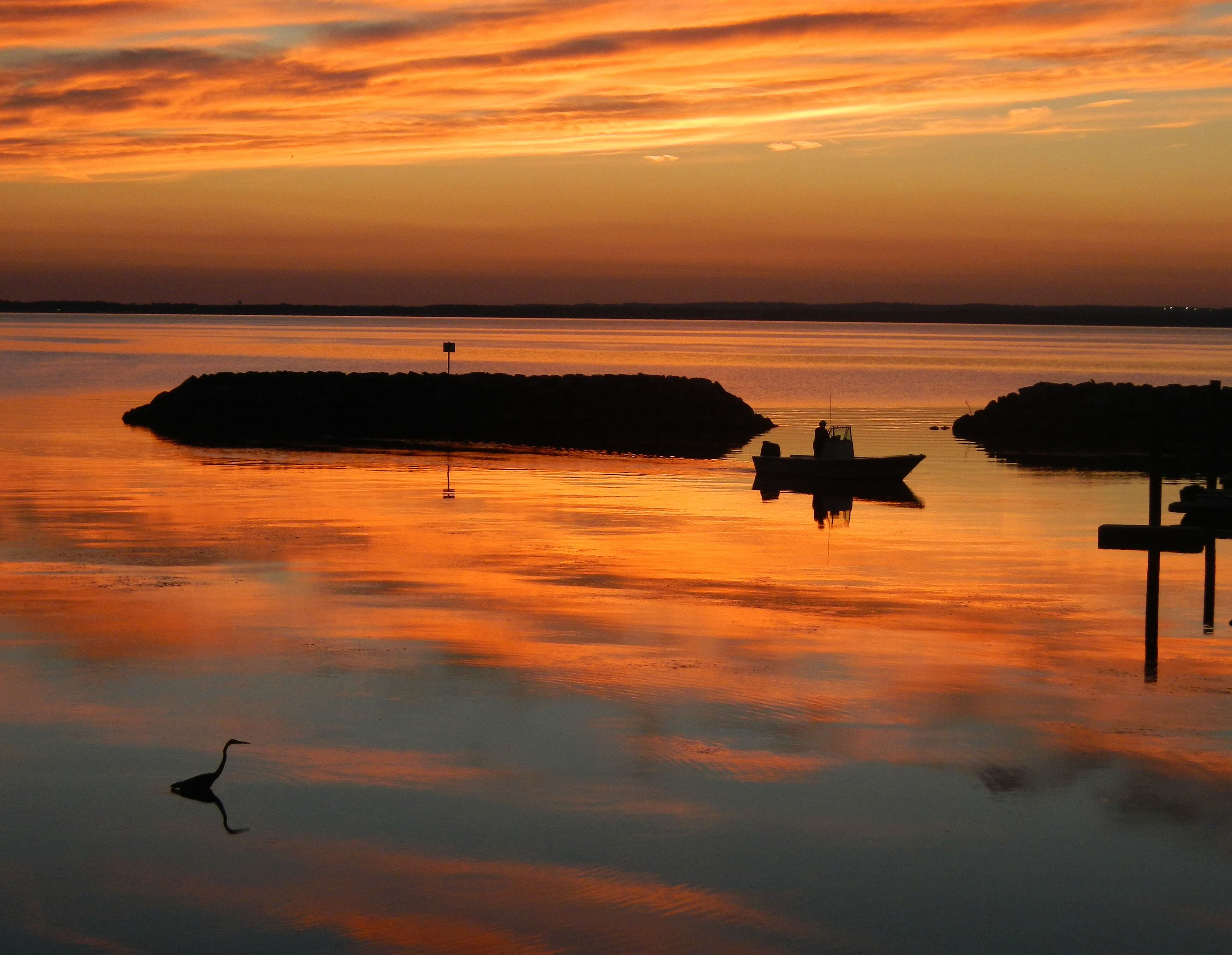
Until the mid-1900s, fishermen in the Susquehanna Flats area hauled in immense catches of native river herring, shad, and striped bass. Today, the commercial harvest is dominated by an invasive species, the blue catfish. Explore the storied history of commercial fisheries in the upper Bay.


Fishing the Flats

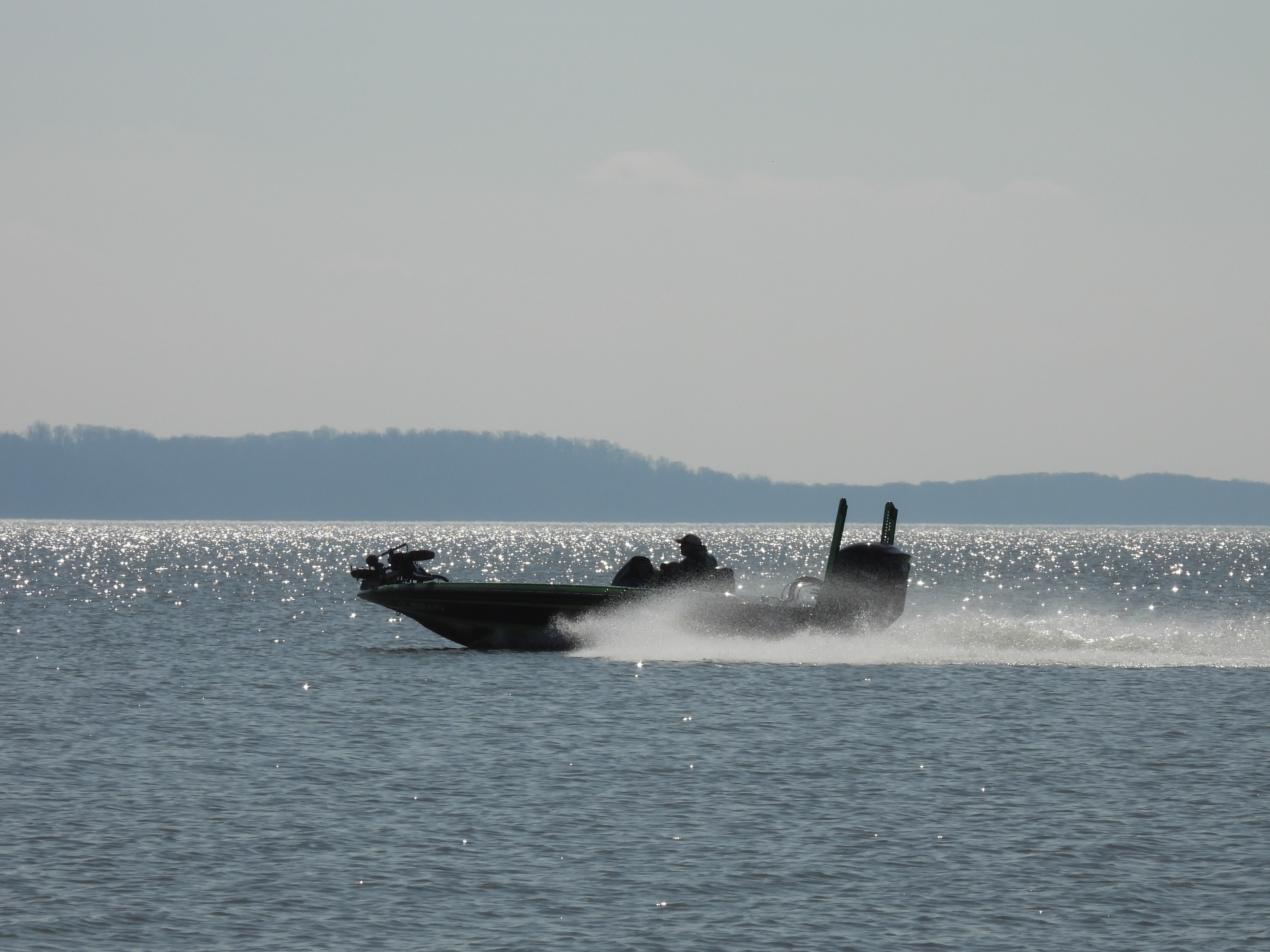
Fishing enthusiasts flock to the Susquehanna Flats to pursue a range of species from striped bass to snakehead. The Flats play host to year-round fishing and hundreds of tournaments. “It’s about more than catching fish,” says one angler.

 
Cover photo by Dave Harp

In This Issue

Related Links

Maryland Sea Grant
[Maryland Sea Grant] Maryland Sea Grant NOAA
Stay Connected
 
Chesapeake Quarterly is published by Maryland Sea Grant | Privacy Policy | © 2026 Maryland Sea Grant